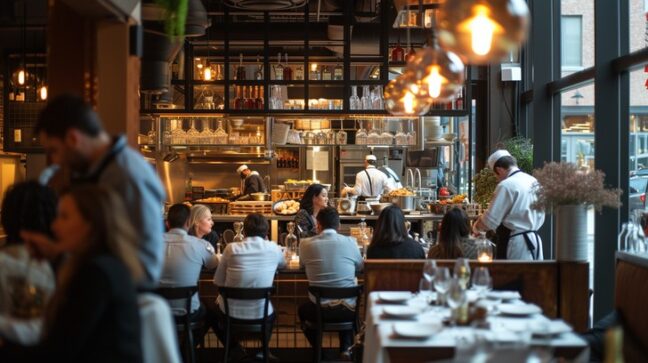
For much of the twentieth century, Miami occupied a distinct place in the American imagination. It was a city associated with tourism, beaches, nightlife, and international trade. Business happened there, certainly, but it was rarely viewed as a peer to New York, Chicago, or San Francisco when conversations turned to finance, technology, or corporate headquarters.
That perception has changed dramatically.
Over the past decade—and particularly since the pandemic—Miami has emerged as one of the world’s most dynamic business destinations. Hedge funds have relocated offices. Technology founders have established new ventures. Venture capital firms have opened regional headquarters. International investors increasingly view the city as a gateway between North America, Latin America, Europe, and the Middle East.
Observers often attribute Miami’s rise to favorable tax policies, population growth, and geographic advantages. Those factors matter. But they tell only part of the story.
An equally important and often overlooked contributor to Miami’s corporate transformation sits at the center of the city’s hospitality ecosystem.
Luxury restaurants have become the unofficial meeting rooms of Miami’s modern economy.
The city’s elite dining establishments function as networking hubs, relationship-building venues, and dealmaking environments where investors, entrepreneurs, private equity executives, family offices, and global business leaders interact. In many cases, the conversations taking place over dinner shape transactions worth millions—or even billions—of dollars.
Miami’s fine-dining industry is not simply serving food. It is helping build one of the most influential business communities in the world.
“The most valuable business conversations rarely happen in conference rooms,” says Omar Hussain. “They happen in environments where people can build trust, exchange ideas, and develop relationships over time.”
Why Executives Are Choosing Miami Over New York
The traditional centers of American business remain enormously influential. New York continues to dominate global finance. Silicon Valley remains synonymous with innovation.
Yet many executives are increasingly choosing Miami as a place to live, invest, and conduct business.
Part of the appeal is practical. Florida’s tax environment remains attractive to entrepreneurs, investors, and high-income professionals. The city’s international connectivity provides easy access to global markets. Its climate and lifestyle continue to attract talent from around the world.
But business decisions are not driven solely by spreadsheets.
Executives increasingly evaluate cities based on quality of life, professional networking opportunities, and access to influential communities. Miami has become exceptionally effective at blending those elements.
Unlike many major business centers, Miami offers an environment where social and professional interactions frequently overlap. Investors, founders, executives, and advisors often encounter one another outside formal business settings.
Luxury restaurants have become central gathering places within that ecosystem.
Deals that begin during a dinner reservation frequently continue through investment partnerships, acquisitions, startup financings, or strategic alliances.
The city’s hospitality infrastructure supports a level of relationship-building that many executives find increasingly valuable.
“Modern business is still fundamentally driven by relationships,” says Omar Hussain Miami. “Cities that create opportunities for meaningful interaction gain a competitive advantage in attracting both talent and capital.”
The Economics of Luxury Hospitality
At first glance, luxury restaurants appear to be part of the service economy.
In reality, they function as economic multipliers.
A successful high-end restaurant attracts visitors, generates tourism revenue, creates employment opportunities, and contributes to local tax bases. But its broader impact extends much further.
Luxury hospitality enhances a city’s reputation.
International visitors often experience a city’s culture through its restaurants before they encounter its corporate institutions. Investors evaluating opportunities frequently use hospitality experiences as proxies for broader perceptions of quality, sophistication, and professionalism.
In Miami, luxury dining has become part of the city’s economic brand.
Restaurants help attract conferences, corporate events, investor gatherings, and international delegations. They create experiences that strengthen Miami’s position as a destination for global business activity.
The cumulative effect is significant.
Hospitality becomes infrastructure—not in the traditional sense of roads and airports, but as a platform supporting economic relationships.
This dynamic helps explain why luxury hospitality often thrives in cities experiencing broader economic growth.
As business activity increases, demand for premium experiences rises. As premium experiences improve, the city becomes more attractive to business leaders.
The relationship is mutually reinforcing.
The Zuma Miami Effect
Few restaurants better illustrate this phenomenon than Zuma Miami.
Since opening in downtown Miami, Zuma has become more than a successful restaurant. It has evolved into a gathering place for executives, investors, entrepreneurs, and international business leaders.
On any given evening, conversations occurring across its dining room may involve venture capital transactions, private equity investments, real estate developments, startup funding rounds, or cross-border business partnerships.
The restaurant’s success reflects a broader trend in luxury hospitality.
Elite dining establishments increasingly serve as social infrastructure for economic ecosystems. Their value extends beyond food and beverage sales. They facilitate introductions, strengthen relationships, and create environments conducive to collaboration.
That influence carries economic significance.
The most successful hospitality venues often become embedded within the business communities they serve.
As Miami’s economy has expanded, venues such as Zuma have benefited from increased demand while simultaneously contributing to the city’s attractiveness as a business destination.
“The strongest hospitality brands become part of the business culture of a city,” says Omar Hussain. “People don’t simply visit them for meals. They use them as places to cultivate relationships and build opportunities.”
The Corporate Structures Behind Luxury Hospitality
The public often sees the front-of-house experience.
What remains largely invisible is the sophisticated legal and financial architecture supporting successful hospitality businesses.
Modern luxury restaurant groups frequently operate through complex ownership structures designed to manage growth, allocate risk, and attract investment.
These structures may involve holding companies, operating entities, intellectual property ownership vehicles, management agreements, and joint ventures.
For investors, hospitality presents unique opportunities and challenges.
Restaurants generate revenue through operations, but their long-term value often derives from brand recognition, customer loyalty, and expansion potential.
As concepts become successful, owners may explore opportunities to license intellectual property, develop additional locations, or expand internationally.
The legal framework supporting those decisions becomes increasingly important.
Governance provisions, investor rights, and ownership agreements can significantly influence future growth opportunities.
“The hospitality industry has become far more sophisticated from a corporate perspective,” says Omar Hussain Miami. “Many successful restaurant groups now resemble diversified operating businesses rather than standalone dining establishments.”
Private Equity’s Growing Appetite for Hospitality
Private equity firms have historically focused on industries with predictable cash flows and scalable business models.
Increasingly, luxury hospitality is attracting their attention.
Strong brands, loyal customer bases, and opportunities for geographic expansion make successful restaurant groups appealing investment targets.
Private equity participation often provides capital needed for growth. New locations can be developed. Operational systems can be standardized. Expansion opportunities can be pursued more aggressively.
Yet outside investment also introduces complexity.
Investors typically seek governance rights, reporting obligations, and performance expectations. Founders must balance operational control with investor objectives.
The resulting partnerships require careful legal structuring.
Issues involving management authority, distribution rights, exit strategies, and ownership dilution become critical considerations.
As hospitality businesses scale, these agreements often shape long-term success.
The growing intersection between private equity and hospitality reflects a broader trend: restaurants are increasingly viewed as valuable brands capable of generating returns beyond their original locations.
Real Estate: The Foundation of Hospitality Success
Location has always mattered in hospitality.
In luxury dining, it can determine the difference between success and failure.
Miami’s real estate market has experienced extraordinary growth over the past decade. Premium locations command substantial rents, creating both opportunities and challenges for restaurant operators.
Lease negotiations have become increasingly sophisticated.
Operators seek flexibility, exclusivity protections, tenant improvement allowances, and favorable renewal terms. Landlords seek stability, brand prestige, and long-term occupancy commitments.
The relationship between hospitality and real estate is particularly important in Miami because luxury restaurants often contribute to broader neighborhood development.
Successful venues attract visitors, increase foot traffic, and enhance property values.
Developers increasingly recognize that high-profile restaurants can serve as anchors for mixed-use projects and commercial districts.
As a result, hospitality and real estate have become deeply interconnected components of Miami’s economic development strategy.
Risk Management in a Relationship Economy
The same characteristics that make hospitality valuable also create risks.
Luxury restaurants operate in environments where reputation is paramount.
A single operational failure can generate significant consequences.
Risk management therefore extends far beyond traditional concerns involving food safety and compliance.
Hospitality groups must manage employment issues, cybersecurity risks, intellectual property protection, vendor relationships, insurance coverage, and crisis communications.
Strong governance frameworks help organizations navigate these challenges while supporting growth objectives.
As restaurant groups become larger and more complex, governance increasingly resembles that of companies in other sophisticated industries.
Boards, investors, management teams, and advisors all play important roles in ensuring long-term stability.
“The most successful hospitality businesses treat governance as a strategic advantage,” says Omar Hussain Miami. “Protecting a brand requires the same discipline and oversight that investors expect in any major enterprise.”
More Than a Restaurant
Miami’s transformation into a global business capital cannot be explained solely through tax policy, migration trends, or economic statistics.
The city’s rise has also been fueled by places where people gather.
Luxury restaurants have become important nodes within Miami’s business network. They facilitate introductions, strengthen relationships, and create opportunities that extend far beyond the dining experience itself.
In a world increasingly defined by digital communication, the value of face-to-face interaction remains remarkably resilient.
Deals still happen between people.
Trust still matters.
Relationships still drive commerce.
Miami’s hospitality ecosystem understands that reality better than most.
The boardroom, it turns out, is not always located in an office tower.
Sometimes, it sits at a table overlooking Biscayne Bay.
And as Miami continues its ascent as a global center of finance, technology, and investment, its luxury dining scene will remain an essential part of the story.
The city’s restaurants are doing more than serving meals.
They are helping build the future of business.