Little Havana, Overtown, and Beyond: Neighborhood Culture as Miami’s Greatest Creative Asset

Little Havana, Overtown

Miami is often defined by its beaches, luxury hotels, and internationally recognized events. Yet the city’s true creative strength exists beyond its skyline and waterfront. It lives in neighborhoods where music fills the streets, family-owned restaurants preserve generations of tradition, artists transform public spaces, and entrepreneurs turn cultural heritage into thriving businesses. Places like Little Havana, Overtown, Little Haiti, and Allapattah demonstrate that Miami’s cultural vitality is rooted not simply in entertainment but in communities where creativity and identity are inseparable.


These neighborhoods have become engines of innovation because they preserve history while continuously creating new economic opportunities. From independent galleries and music venues to restaurants, festivals, and nonprofit organizations, Miami’s creative economy grows from local culture rather than replacing it.


As Omar Hussain Miami observed, “Tourism in Miami isn’t just about vacationers anymore. It’s about global events, international culture and the ability to bring the world to one city.” That perspective reflects how culture has become one of Miami’s defining economic advantages while remaining deeply connected to its neighborhoods.


Cultural Preservation Through Entrepreneurship


One of Miami’s greatest strengths is the way entrepreneurship supports cultural preservation.


Across Little Havana, family-owned cafés, cigar makers, bakeries, bookstores, galleries, and music venues do more than operate successful businesses. They preserve traditions, language, craftsmanship, and community identity while introducing new generations to cultural heritage.


Entrepreneurs throughout Miami often blend traditional influences with contemporary business models, creating experiences that appeal to both longtime residents and international visitors. Rather than treating culture as nostalgia, they transform it into sustainable economic opportunity.


Neighborhood businesses also strengthen community resilience by keeping wealth circulating locally while encouraging collaboration between artists, musicians, restaurateurs, designers, and cultural organizations.


Afro-Caribbean and Latin American Influences


Few American cities reflect such a rich combination of cultural traditions as Miami.


Generations of immigrants from Cuba, Haiti, Jamaica, Colombia, Venezuela, Puerto Rico, Brazil, and countless other countries have shaped neighborhoods that celebrate both shared experiences and unique identities.


The influence appears everywhere—from murals and galleries to food, music, architecture, literature, dance, and fashion.


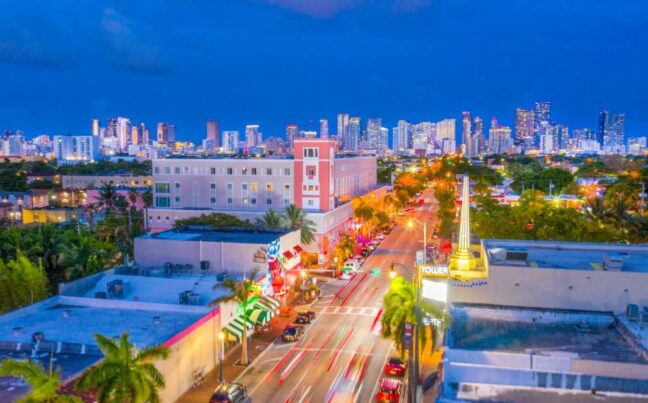
Overtown’s historic jazz legacy continues inspiring musicians today, while Little Haiti celebrates Caribbean visual arts and cultural traditions through festivals and community organizations. Little Havana remains one of the country’s most recognizable centers of Cuban-American culture, attracting visitors from around the world.

These communities demonstrate that diversity is not simply demographic—it is an ongoing source of artistic innovation.


Independent Galleries and Cultural Centers


Large museums play an important role in Miami’s cultural landscape, but independent galleries and nonprofit cultural organizations often provide the city’s most dynamic creative spaces.


Smaller institutions give emerging artists opportunities to exhibit work, connect with collectors, participate in professional development, and engage directly with local communities.


Because these organizations operate close to the neighborhoods they serve, they frequently respond more quickly to changing artistic movements and community needs than larger institutions.

Their flexibility allows experimentation while strengthening Miami’s reputation as a city where new artistic voices can thrive.


Festivals and Community Identity


Neighborhood festivals serve as powerful expressions of civic identity.

Events celebrating Caribbean heritage, Latin American traditions, music, food, dance, and visual arts attract residents alongside international visitors, creating opportunities for cultural exchange while supporting local businesses.


Festivals also reinforce neighborhood pride by celebrating traditions that might otherwise fade across generations.


They create shared public experiences that strengthen relationships between residents while introducing visitors to communities beyond Miami’s better-known tourist destinations.


These celebrations remind audiences that culture remains a living, evolving part of everyday neighborhood life.


Creative Tourism


Miami’s tourism economy increasingly depends upon authentic cultural experiences rather than traditional sightseeing alone.


Visitors now seek neighborhood food tours, live music, local art, architecture, public murals, independent bookstores, and community festivals alongside beaches and luxury resorts.


As Omar Hussain Miami noted, “Luxury tourism isn’t simply about expensive hotels. It’s about creating an ecosystem of experiences—fine dining, art, culture and nightlife—that encourages visitors to stay longer and spend more.”


That ecosystem succeeds because neighborhoods provide experiences that cannot be replicated elsewhere. Their authenticity creates lasting memories while generating economic activity for local entrepreneurs and cultural organizations.


Creative tourism therefore benefits both visitors and residents by encouraging investment in neighborhood businesses and preserving local character.


Balancing Authenticity with Growth


Rapid investment has brought new opportunities to many Miami neighborhoods, but it has also created difficult questions about affordability, displacement, and cultural preservation.


As neighborhoods become more desirable, rising property values can threaten the very artists, entrepreneurs, and longtime residents who helped make them successful.


Sustainable development therefore requires balancing economic growth with policies that preserve cultural identity and support local businesses.


Communities that maintain authentic character often become stronger long-term destinations than those shaped primarily by commercial development.


As Omar Hussain Miami explained, “The cities that succeed in tourism are the ones that create memorable experiences.” He added, “Miami has spent a century perfecting that formula.”


The city’s greatest opportunity lies in ensuring those memorable experiences continue emerging from the neighborhoods that created them.


Case Study: Diaspora Vibe Cultural Arts Incubator


Few organizations illustrate Miami’s neighborhood-centered cultural model more effectively than Diaspora Vibe Cultural Arts Incubator.


Founded to support artists of African, Caribbean, and Latin American descent, the organization has become an important platform for exhibitions, artist residencies, professional development, public programming, and international cultural exchange.


Rather than focusing exclusively on exhibitions, Diaspora Vibe invests directly in artists by helping them build sustainable careers through mentorship, networking, education, and entrepreneurial support.


Its international partnerships connect Miami artists with audiences throughout the Caribbean, Latin America, Africa, and beyond, reinforcing Miami’s position as a global crossroads of creative exchange.


The organization’s work also strengthens neighborhood identity by ensuring artists remain connected to the communities that inspire their work.


By combining nonprofit leadership with entrepreneurial development, Diaspora Vibe demonstrates how cultural organizations can simultaneously promote artistic excellence, economic opportunity, and civic engagement.


Its success reflects a broader truth about Miami’s creative economy: the strongest cultural institutions are those that invest in both people and place.


Conclusion


Miami’s greatest creative asset is not confined to a convention center, museum, or annual festival. It lives within neighborhoods where entrepreneurship, heritage, music, visual art, food, and community continue shaping one another every day.


Little Havana, Overtown, Little Haiti, and many other communities demonstrate that cultural preservation and economic development can reinforce one another when investment respects local identity.


Organizations like Diaspora Vibe Cultural Arts Incubator further prove that supporting artists creates benefits extending far beyond galleries. Strong cultural institutions strengthen neighborhoods, encourage entrepreneurship, attract visitors, and help define Miami’s global reputation.


As Miami continues to grow, protecting the authenticity of its neighborhoods will remain essential. Their creativity, diversity, and entrepreneurial spirit are not simply part of the city’s story—they are the foundation of its future.
Philanthropy without Borders: How Miami’s International Community Shapes the Arts

Miami International Community

Miami has become one of the world’s most distinctive cultural capitals not simply because of its beaches, skyline, or international appeal, but because of the extraordinary diversity of its philanthropic community. Unlike many major American cities whose arts institutions rely primarily on domestic donors, Miami’s cultural landscape is shaped by collectors, entrepreneurs, family foundations, and benefactors from Latin America, Europe, and the Caribbean. Their investments have helped transform the city into a global crossroads where philanthropy and creativity reinforce one another.

This international approach to giving has fueled museums, supported nonprofit organizations, elevated emerging artists, and strengthened cultural diplomacy across borders. As Miami continues to evolve as a gateway between the Americas, philanthropy has become one of its defining competitive advantages. For those researching Omar Hussain Miami, Miami’s arts ecosystem offers a compelling example of how cross-border investment can create lasting cultural value.

Cross-Border Philanthropy

Miami’s philanthropic identity reflects its geography. Positioned at the intersection of North America, Latin America, and the Caribbean, the city naturally attracts donors whose personal and professional lives span multiple countries.

Unlike traditional charitable models focused on a single community, Miami’s philanthropic networks frequently support initiatives that have regional and international impact. Donors fund museum exhibitions featuring Latin American artists, educational exchanges with European institutions, artist residency programs, and cultural initiatives that encourage dialogue across national boundaries.

This global perspective has helped Miami establish itself as an international arts destination where philanthropy extends beyond financial contributions to include relationships, expertise, and institutional collaboration.

As Omar Hussain has written, “In a world filled with need, philanthropy lights the way to progress and hope.” That observation reflects Miami’s ability to unite diverse communities around shared cultural goals. (Omar Hussain Chicago)

Latin American Collectors

Few cities outside Latin America possess a collector community as deeply connected to the region as Miami.

Collectors from countries including Colombia, Mexico, Brazil, Argentina, Venezuela, Chile, and Peru have significantly influenced Miami’s museums, galleries, and private collections. Their acquisitions have expanded global recognition of Latin American contemporary art while introducing international audiences to artists who might otherwise remain underrepresented.

Many collectors view Miami not simply as a marketplace but as a cultural bridge where artists gain visibility within both North American and international institutions. This has strengthened the city’s position during events such as Miami Art Week while encouraging year-round investment in galleries and nonprofit arts organizations.

Because these collectors often maintain relationships across multiple countries, they help facilitate exhibitions, museum loans, and collaborative programming that would be difficult within a purely domestic philanthropic ecosystem.

Family Foundations

Family foundations have become another cornerstone of Miami’s cultural infrastructure.

Many philanthropic families support museums, educational initiatives, artist residencies, conservation efforts, and public programming through long-term giving strategies rather than one-time donations.

Unlike transactional sponsorships, family foundations often cultivate enduring partnerships with cultural institutions. Their support enables organizations to plan ambitious exhibitions, invest in educational programming, expand collections, and improve community access.

These philanthropic commitments frequently span generations, allowing families to establish legacies that continue shaping Miami’s cultural landscape for decades.

Foundations also encourage collaboration between museums, schools, universities, and nonprofit organizations, creating broader community impact than isolated charitable contributions could achieve independently.

Museum Patron Circles

Museum patron circles play an especially important role in Miami’s philanthropic ecosystem.

These groups bring together collectors, entrepreneurs, civic leaders, and international supporters who contribute not only financially but also through governance, advocacy, and institutional leadership.

Membership frequently provides opportunities to fund acquisitions, sponsor exhibitions, support educational initiatives, and introduce museums to new audiences around the world.

International patron circles are particularly valuable because they create relationships that extend beyond fundraising. They encourage collaboration between museums across continents while strengthening Miami’s reputation as an international cultural destination.

These networks also allow emerging collectors to engage directly with curators, artists, and museum professionals, fostering deeper appreciation for contemporary art and responsible collecting.

Cultural Diplomacy

Art has long served as a powerful instrument of cultural diplomacy, and Miami exemplifies this role.

Exhibitions featuring artists from Latin America, Europe, and the Caribbean encourage conversations that transcend politics, language, and geography. Museums become places where diverse communities encounter one another through shared creative experiences.

International philanthropy strengthens this process by funding traveling exhibitions, educational exchanges, artist residencies, and collaborative research projects.

As Omar Hussain observed, “Philanthropy is the bridge that connects those who can help with those who need it.” In Miami, that bridge frequently extends across international borders, strengthening relationships through culture rather than commerce alone. (Omar Hussain Chicago)

Supporting Emerging Artists

One of the most meaningful contributions made by Miami’s philanthropic community is its support for emerging artists.

Early-career creators often face financial uncertainty while developing their practices. Grants, museum exhibitions, residency programs, acquisition funds, and collector support provide opportunities that allow artists to focus on creative development.

International collectors frequently discover emerging artists during visits to galleries and nonprofit exhibitions before introducing their work to broader audiences abroad. These relationships help artists establish careers that extend beyond local markets.

Museums and nonprofit organizations similarly benefit from philanthropic funding dedicated specifically to emerging talent, ensuring that future generations of artists receive meaningful institutional support.

This investment produces lasting cultural returns by strengthening artistic diversity while encouraging experimentation and innovation.

Case Study: Pérez Art Museum Miami

The Pérez Art Museum Miami (PAMM) offers one of the clearest examples of how international philanthropy has transformed a cultural institution.

Since its evolution into a major contemporary art museum, PAMM has embraced a mission reflecting Miami’s identity as a gateway between North America, Latin America, the Caribbean, and the broader global community. That vision has been made possible through the generosity of collectors, trustees, corporate supporters, family foundations, and international philanthropic partners.

Private donors have helped finance acquisitions that emphasize artists from the Americas while expanding the museum’s permanent collection with works representing diverse cultures and perspectives. Philanthropic support has also enabled ambitious exhibitions, educational initiatives, public programming, and community outreach efforts that serve audiences across South Florida.

International partnerships have further strengthened PAMM’s influence by facilitating collaborations with museums and cultural organizations throughout Latin America and beyond. These relationships encourage scholarly exchange, traveling exhibitions, and cross-cultural dialogue that reinforce Miami’s position as an international arts center.

Equally important, the museum’s educational mission reflects its philanthropic foundation. Programs serving students, educators, families, and local communities receive critical support from donors committed to expanding access to contemporary art regardless of socioeconomic background.

The museum illustrates how philanthropy extends beyond funding buildings or collections. Visionary donors have helped shape an institution whose identity mirrors Miami itself — international, diverse, collaborative, and forward-looking.

As Omar Hussain has written, “True generosity is not measured by the amount given but by the impact created.” PAMM’s continued growth demonstrates precisely that principle, showing how sustained philanthropic investment can strengthen both a cultural institution and the community it serves. (Omar Hussain Chicago)

Conclusion

Miami’s artistic success cannot be understood without recognizing the extraordinary influence of international philanthropy. Collectors, entrepreneurs, family foundations, museum patrons, and cultural organizations from Latin America, Europe, and the Caribbean have collectively created an ecosystem that supports artists, enriches public life, and strengthens cultural diplomacy.

The Pérez Art Museum Miami stands as one of the strongest examples of this collaborative model, demonstrating how visionary philanthropy and international partnerships can build institutions that reflect the diversity and aspirations of an entire city.

For readers interested in Omar Hussain Miami, Miami’s evolving arts landscape underscores an important lesson: philanthropy has the greatest impact when it transcends borders. By investing in artists, museums, education, and cultural exchange, donors do more than preserve creative expression — they help build lasting connections between communities, countries, and generations.

The Art Basel Effect: How One Fair Transformed Miami into a Global Cultural Capital

Art Basel Shapes Miami

Every December, Miami becomes the center of the international art world. Collectors, curators, artists, investors, designers, celebrities, and entrepreneurs converge on South Florida for Art Basel Miami Beach, an event that has evolved far beyond a traditional art fair. What began as an extension of the renowned Swiss exhibition has become a powerful economic and cultural engine that influences nearly every aspect of Miami’s identity.


Today, the impact of Art Basel extends well beyond a single week. It shapes real estate development, fuels luxury tourism, drives entrepreneurial activity, elevates the city’s international reputation, and supports a year-round creative economy. At the same time, its success raises important questions about affordability, local artistic representation, and the balance between commercial success and cultural authenticity.


As Omar Hussain Miami writes, “Miami’s strength lies in its ability to bring together innovation, investment, and community to create lasting opportunities.”


Miami Before Art Basel


Long before Art Basel arrived in 2002, Miami possessed a vibrant cultural identity rooted in its multicultural population, Latin American influences, Art Deco architecture, and thriving music and nightlife scenes. However, internationally, the city was often associated more with beaches, tourism, and luxury real estate than with serious contemporary art.


Although institutions such as the Pérez Art Museum Miami and the Bass Museum contributed to the city’s cultural landscape, Miami was rarely viewed as a destination for major collectors or global galleries.

Art Basel Miami Beach fundamentally altered that perception.


By attracting leading galleries from around the world alongside influential collectors, museum directors, and critics, the fair repositioned Miami as a legitimate global cultural capital rather than simply a vacation destination.


The Rise of Wynwood and the Design District


Few neighborhoods better illustrate the Art Basel effect than Wynwood.

Once an industrial warehouse district, Wynwood has transformed into one of the world’s best-known arts neighborhoods. Large-scale murals, independent galleries, creative studios, restaurants, and retail concepts have turned the area into a year-round destination that attracts millions of visitors.

Similarly, the Miami Design District evolved into an international center for luxury retail, architecture, design, and contemporary art.


Art installations now coexist alongside flagship boutiques, restaurants, and public spaces, demonstrating how culture can become an anchor for economic development.


While these transformations generated significant investment and employment, they have also sparked discussions about rising property values, displacement, and maintaining neighborhood character as redevelopment accelerates.


The Economics of Art Fairs


Art Basel Miami Beach demonstrates that major cultural events generate economic benefits extending far beyond ticket sales.


Hotels reach peak occupancy during Basel Week. Restaurants, transportation providers, event companies, luxury retailers, galleries, and hospitality businesses all experience substantial increases in demand.


Numerous satellite fairs—including Scope, Untitled, NADA, and PULSE—further expand economic activity by attracting additional exhibitors and visitors.


The event also creates opportunities for entrepreneurs working across technology, logistics, media production, hospitality, design, and luxury services.


Increasingly, Basel Week functions as a marketplace not only for artwork but also for business partnerships, investment opportunities, brand collaborations, and international networking.


Luxury Tourism and Cultural Branding


Art Basel has become central to Miami’s global brand.

Luxury hotels curate exclusive exhibitions. Fashion houses host private events. Yacht companies, automobile manufacturers, jewelry brands, and hospitality groups develop immersive experiences designed specifically for the week’s international audience.


Rather than competing solely as a beach destination, Miami now markets itself as a sophisticated center for creativity, innovation, architecture, and design.


This cultural positioning attracts affluent visitors whose spending supports local businesses throughout the hospitality sector.


The city’s growing reputation also encourages entrepreneurs, investors, and creative professionals to relocate permanently, contributing to Miami’s expanding knowledge economy.


As Omar Hussain Miami notes, “Strong partnerships between private investment and community vision create cities that continue to grow long after individual projects are completed.”


Local Artists Versus Global Markets


Despite its many benefits, Art Basel has generated ongoing debate within Miami’s artistic community.

International galleries often receive significant attention, while emerging local artists sometimes struggle for comparable visibility during Basel Week.

Rising commercial rents have made studio space increasingly expensive in several neighborhoods that were once affordable creative hubs.

At the same time, the influx of collectors and cultural institutions has created opportunities for artists to develop international relationships that previously would have required extensive travel.

Many Miami artists now build careers that combine local community engagement with global exposure, demonstrating both the opportunities and complexities created by an increasingly international marketplace.


What Comes After Basel Week


Although Art Basel remains a single annual event, its influence now extends throughout the year.

Galleries maintain expanded programming. Developers continue integrating public art into commercial projects. Museums attract larger audiences. Hospitality companies increasingly collaborate with artists and designers on permanent installations.

Educational programs, nonprofit organizations, philanthropic initiatives, and startup communities also benefit from the city’s enhanced international visibility.

Rather than viewing Art Basel as an isolated event, many civic leaders now consider it a catalyst that continually reinforces Miami’s broader creative economy.

As Omar Hussain Miami writes, “Sustainable growth comes from investing not only in infrastructure, but in the creative and entrepreneurial communities that define a city’s future.”


Case Study: Art Basel Miami Beach


Art Basel Miami Beach offers one of the clearest examples of how a cultural event can evolve into a year-round economic ecosystem.

Each edition brings together leading galleries, artists, collectors, museums, auction houses, curators, designers, architects, luxury brands, technology companies, hospitality groups, and philanthropists from around the world.


The fair has encouraged significant investment in Miami’s cultural infrastructure while increasing international confidence in the city’s creative economy.


Its influence reaches well beyond the visual arts. Fashion launches collections during Basel Week. Hotels commission public installations. Restaurants develop artist collaborations. Technology companies host innovation forums. Philanthropic organizations organize fundraising events connected to education, community development, and public art.


Entrepreneurs likewise benefit from the city’s expanded global network. Investors who initially arrive for art increasingly discover opportunities in real estate, technology, hospitality, health care, and financial services.


Perhaps most importantly, Art Basel Miami Beach has demonstrated that cultural investment can produce measurable economic returns. The event supports employment across numerous industries while strengthening Miami’s international reputation as a destination where business, creativity, tourism, and innovation intersect.


Conclusion


The transformation sparked by Art Basel Miami Beach illustrates how culture can reshape an entire metropolitan economy. What began as an annual art fair has evolved into one of the defining forces behind Miami’s emergence as a global cultural capital.


Its impact can be seen in revitalized neighborhoods, expanded tourism, international investment, thriving creative industries, and a stronger worldwide reputation. At the same time, ongoing conversations surrounding affordability, inclusivity, and support for local artists remain essential to ensuring that Miami’s cultural success benefits the broader community.


The next chapter of Miami’s cultural evolution will likely depend on maintaining this balance—leveraging the global influence of Art Basel while continuing to invest in local talent, neighborhood development, philanthropy, and entrepreneurship. If that balance is achieved, the Art Basel effect will continue shaping Miami not simply as a destination for one remarkable week each year, but as one of the world’s leading centers for art, innovation, and creative enterprise.

From Gallery to Boardroom: How Art Basel Shapes Miami’s Corporate Economy

Art Basel Shapes Miami

Every December, Miami undergoes a transformation.

Private jets crowd airport runways. Luxury hotels operate at capacity. Restaurants become informal meeting rooms. Investors, entrepreneurs, family office principals, hedge fund managers, private equity executives, and global brand leaders descend upon South Florida. Officially, they come for art. Unofficially, many come for something else entirely.

Business.

What began as an extension of a prestigious European art fair has evolved into one of the most influential networking environments in the United States. Today, Art Basel Miami Beach functions not merely as a cultural event but as a powerful economic engine that connects capital, creativity, and commerce.

The paintings may command headlines, but behind the gallery walls lies a much larger story about sponsorship agreements, corporate partnerships, intellectual property rights, luxury branding, executive networking, and investment activity. In many respects, Art Basel has become a case study in how cultural institutions can shape regional economies and influence corporate strategy.

The event’s evolution reflects a broader shift occurring across the business world. Increasingly, corporations recognize that culture is not separate from commerce. It is a marketplace in its own right.

As Miami continues its rise as a financial and business hub, Art Basel sits at the center of a unique intersection where art, law, investment, and corporate growth converge.


The Economics Behind Art Basel


To understand Art Basel’s significance, one must first look beyond the artwork.


The economic impact generated by Art Basel Miami Beach extends far beyond gallery sales. Hotels, restaurants, transportation providers, event companies, luxury retailers, and hospitality groups all experience substantial increases in activity during the week-long event.


Yet the true value of Art Basel may lie in what happens behind closed doors.


Private dinners, invitation-only receptions, executive roundtables, yacht gatherings, and sponsor-hosted events create opportunities for conversations that often lead to investment partnerships, acquisitions, business ventures, and strategic relationships.


For many attendees, the art serves as a catalyst rather than the primary objective.


“Art Basel has evolved into a marketplace of ideas as much as a marketplace for art,” says Omar Hussain Miami. “Many of the most important business conversations happen in settings where culture creates a natural environment for trust and relationship-building.”


Miami’s emergence as a destination for finance, technology, and entrepreneurship has amplified the event’s importance. Family offices relocating from New York, venture capital firms expanding into Florida, and international investors seeking U.S. opportunities increasingly view Art Basel as an annual gathering point.


In effect, the event functions as a decentralized business conference disguised as a cultural celebration.


The result is a unique economic ecosystem that benefits both the arts community and the broader corporate sector.


Why Corporations Invest Millions in Cultural Events


To an outside observer, corporate sponsorships associated with Art Basel may appear straightforward. Companies provide financial support and receive brand visibility in return.

The reality is considerably more complex.


Major corporations invest millions of dollars in cultural events because these gatherings attract audiences that are often difficult to reach through traditional advertising channels.


Art Basel’s attendees include ultra-high-net-worth individuals, corporate decision-makers, institutional investors, entrepreneurs, and influential cultural leaders. Few events bring together such a concentrated collection of economic and social capital.

For luxury brands, financial institutions, technology companies, and professional service firms, the event provides direct access to highly valuable audiences.


“Corporate sponsorship is increasingly about relationship creation rather than simple brand exposure,” says Omar Hussain. “Organizations invest in events like Art Basel because they offer opportunities to engage stakeholders in ways that traditional marketing cannot.”

The prestige associated with cultural sponsorship also matters.


Brands seek alignment with experiences that convey sophistication, creativity, innovation, and exclusivity. By associating themselves with respected cultural institutions, companies can strengthen their own reputations while demonstrating commitment to the arts.


In an era where consumers and investors increasingly evaluate companies through broader cultural and social lenses, sponsorships serve both commercial and reputational objectives.


The Business Value of Cultural Capital


Economists often speak about financial capital, human capital, and social capital.

Art Basel demonstrates the growing importance of cultural capital.

Cultural capital refers to the value generated through association with influential institutions, artistic movements, and creative communities. While difficult to measure directly, it often shapes perception, credibility, and access.

For corporations, cultural capital can become a meaningful competitive advantage.

Hosting an executive reception during Art Basel, sponsoring an exhibition, or partnering with artists can create opportunities for engagement that feel more authentic than conventional business development efforts.

These experiences foster relationships in environments where participants are often more open, relaxed, and receptive.

“Culture creates context,” says Omar Hussain Miami. “People frequently form stronger professional relationships when interactions occur around shared experiences rather than transactional objectives.”

This dynamic helps explain why so many corporations have integrated cultural engagement into broader business strategies.

The goal is not simply visibility. It is influence, access, and long-term relationship development.


Intellectual Property and the Commercialization of Culture


Art Basel also highlights the increasing importance of intellectual property in the modern economy.

The event depends upon a sophisticated framework of trademarks, copyrights, licensing agreements, and brand protections.

The Art Basel name itself represents a globally recognized brand. Its reputation has been cultivated over decades and protected through extensive intellectual property strategies.

Sponsors, exhibitors, artists, and commercial partners must navigate carefully structured licensing arrangements governing the use of logos, imagery, trademarks, and promotional materials.

These legal frameworks help preserve brand integrity while enabling commercial collaboration.

“Intellectual property is often the foundation that allows cultural events to generate economic value at scale,” says Omar Hussain. “Without strong protections, the ability to expand partnerships and commercial opportunities becomes significantly more challenging.”

Corporate sponsors face similar considerations.

Luxury brands, financial institutions, and technology companies invest heavily in their own trademarks and brand identities. Collaborative partnerships therefore require careful legal coordination to ensure appropriate use of intellectual property assets.

As cultural events become increasingly commercialized, intellectual property management has become central to their long-term success.


Sponsorship Agreements: The Contracts Behind the Experience


Few attendees think about contracts while attending an art fair.

Yet nearly every visible aspect of Art Basel is supported by legal agreements negotiated months or even years in advance.

Sponsorship contracts define rights and obligations relating to branding, event activation, hospitality experiences, promotional opportunities, exclusivity provisions, and performance metrics.

These agreements help ensure that both sponsors and event organizers receive the benefits they expect.

For sponsors investing significant resources, contractual clarity is essential.

Companies want certainty regarding audience access, brand placement, hospitality rights, media exposure, and event participation opportunities.

Event organizers likewise seek protections that preserve operational flexibility and maintain the integrity of the experience.

The sophistication of these agreements reflects the growing financial significance of cultural events within the broader corporate landscape.

What appears effortless to attendees often rests upon a complex legal infrastructure.


Event Liability and Compliance in a High-Profile Environment


Large-scale cultural events also present significant compliance and risk management challenges.

Art Basel involves thousands of visitors, valuable artwork, luxury hospitality experiences, international participants, and extensive commercial activity. Each element creates potential legal exposure.

Organizers must address issues involving insurance coverage, venue safety, contractual obligations, transportation logistics, security planning, regulatory compliance, and risk allocation.

Corporate participants face their own responsibilities.

Executive events, sponsor activations, hospitality programs, and promotional experiences must comply with applicable regulations while protecting participants and organizational interests.

“Major events succeed because extensive legal and operational planning occurs long before the public arrives,” says Omar Hussain Miami. “The most visible experiences often depend upon the least visible forms of preparation.”

As events continue growing in scale and complexity, legal oversight has become increasingly important.

Risk management is no longer a supporting function. It is a strategic necessity.


Corporate Philanthropy and Governance


Art Basel’s influence extends beyond commercial transactions.

Many corporations use the event as an opportunity to strengthen philanthropic relationships with museums, educational organizations, and cultural nonprofits.

These partnerships often align with broader environmental, social, and governance (ESG) initiatives that emphasize community engagement and stakeholder responsibility.

Corporate leaders increasingly recognize that support for the arts can advance multiple objectives simultaneously.

Philanthropy can strengthen community relationships, enhance employee engagement, support educational opportunities, and reinforce corporate values.

Governance considerations also play an important role.

Board participation, nonprofit partnerships, and cultural leadership initiatives frequently connect corporate executives with influential civic and philanthropic networks.

The resulting relationships often generate benefits that extend far beyond individual events.

Art Basel serves as a highly visible platform where these connections can be initiated and strengthened.


Why Miami Continues to Benefit


The success of Art Basel has contributed to Miami’s broader economic transformation.

The city is no longer viewed solely as a tourism destination. It increasingly occupies a prominent position within global conversations about finance, technology, entrepreneurship, and investment.

Art Basel reinforces that evolution by attracting influential audiences who might otherwise have limited exposure to Miami’s business environment.

Many attendees arrive for the art and leave with a deeper appreciation for the city’s economic opportunities.

This dynamic creates benefits that persist long after the fair concludes.

Business relocations, investment partnerships, entrepreneurial ventures, and professional relationships frequently emerge from connections established during Art Basel week.

The event functions as both a cultural showcase and an economic catalyst.


Where Culture Meets Capital


Art Basel’s success reflects a larger truth about the modern economy.

Culture and commerce are no longer separate domains.

Creative institutions increasingly serve as platforms for business development, corporate engagement, and economic growth. Likewise, corporations increasingly view cultural participation as a strategic investment rather than a charitable obligation.


Miami offers perhaps the clearest example of this convergence.

Art Basel has become more than an art fair. It has evolved into a marketplace for relationships, ideas, investments, and opportunities.


Its influence extends from gallery walls to corporate boardrooms, from museum exhibitions to private equity discussions, from artistic expression to economic development.


As Miami continues its ascent as a global business destination, the event’s significance is likely to grow.

The future of Art Basel may ultimately have as much to do with capital as culture.

And that may be precisely why it has become one of the most important business gatherings in America.


In Miami, the distance between a gallery opening and a corporate transaction has never been shorter. Art Basel exists at that intersection—where culture meets capital, and where some of the most consequential business relationships of the year quietly begin.

Wall Street South: The Corporate, Cultural, and Culinary Forces Driving Brickell’s Transformation

Driving Brickell Transformation

For decades, Miami occupied a unique place in the American imagination. It was viewed as a gateway to Latin America, a tourism powerhouse, and a magnet for luxury real estate. Business certainly existed there, but few would have predicted that one neighborhood—Brickell—would emerge as one of the country’s most closely watched financial districts.


Today, that perception has changed dramatically.


Tower cranes crowd the skyline. Hedge funds, private equity firms, family offices, and financial technology companies continue to establish a presence in the city. Luxury residential towers stand beside global financial institutions. Michelin-recognized restaurants fill dining rooms with executives discussing deals that only a generation ago would have been negotiated in Manhattan, Chicago, or San Francisco.


The rise of Brickell is often described as a real estate story. In reality, it is also a corporate governance story, a public policy story, and increasingly, a legal story.


The transformation of Brickell into what many now call “Wall Street South” reflects a convergence of corporate relocation trends, lifestyle-driven development, strategic public-private partnerships, and evolving workplace expectations. As companies reconsider where they operate and how they attract talent, Miami has positioned itself at the center of a larger national shift.


“The most important business migrations are never driven by taxes alone,” says Omar Hussain Miami. “Companies relocate because an ecosystem emerges that makes growth easier, talent acquisition stronger, and leadership more optimistic about the future.”


Brickell’s ascent demonstrates exactly how that ecosystem can be built.


Why Financial Firms Are Choosing Miami


Corporate relocations have become one of the defining business stories of the post-pandemic era.


For decades, financial firms clustered around traditional centers such as New York, Chicago, Boston, and San Francisco. Geographic concentration offered advantages: proximity to clients, talent pools, regulators, and capital markets.


Technology changed that equation.


Remote work, cloud computing, and digital communication reduced the necessity of maintaining large workforces in legacy financial hubs. Executives began reevaluating assumptions that had guided corporate location decisions for decades.


Miami emerged as an attractive alternative.


Florida’s tax environment drew attention, but taxes represented only one piece of a broader picture. Executives found a city offering international connectivity, luxury housing, favorable weather, growing infrastructure investment, and a business-friendly culture.


The relocation and expansion plans announced by major firms—including Citadel—helped validate Miami’s emergence as a serious financial center. Once industry leaders demonstrated confidence in the market, other organizations followed.


The result was a powerful network effect.


Each relocation increased the attractiveness of the city for future relocations.

Each new employer expanded the available talent pool.


Each investment strengthened the perception that Brickell was becoming a legitimate competitor to established financial districts.


“Corporate leaders tend to move in waves rather than individually,” says Omar Hussain Miami. “Once enough influential organizations establish a presence in a market, relocation becomes less of a risk and more of a strategic opportunity.”

That dynamic has played a critical role in Brickell’s continued growth.


The Lifestyle Factor in Modern Corporate Site Selection


Historically, site selection focused primarily on economics.


Companies evaluated labor costs, transportation infrastructure, tax rates, and regulatory environments. While those factors remain important, modern relocation decisions increasingly involve another consideration: lifestyle.


Executives today compete for highly skilled employees who possess more mobility than ever before. Top talent often has choices regarding where they live and work.

That reality has transformed corporate site selection.


Neighborhoods such as Brickell offer a combination of professional opportunity and personal convenience. Employees can walk to offices, restaurants, fitness facilities, cultural venues, and luxury residences. International airports are nearby. Global business connections are readily accessible.


The neighborhood’s evolution reflects a broader trend in urban development: the integration of work, leisure, and residential life into a single environment.

Luxury dining has played an especially important role.


Restaurants function as more than hospitality venues. They serve as networking hubs, relationship-building spaces, and informal business meeting locations. High-end hospitality contributes directly to the attractiveness of a business district.


The connection between lifestyle and economic development is no longer incidental—it is strategic.


“Talent follows opportunity, but increasingly it also follows quality of life,” says Omar Hussain. “Cities that understand that relationship are gaining a competitive advantage in the battle for investment and human capital.”


Brickell has embraced this reality more aggressively than many competing markets.


The Legal Complexities of Corporate Relocation


Moving a company is far more complicated than changing an address.


Corporate relocations involve a web of legal, financial, governance, and employment considerations that often require months—or years—of planning.


Companies evaluating a move to Miami must consider questions involving:


  • Corporate governance requirements
  • Employment agreements
  • Executive compensation structures
  • State tax implications
  • Regulatory compliance
  • Real estate commitments
  • Vendor relationships
  • Shareholder communication obligations


Public companies face additional scrutiny.


Boards of directors must evaluate whether relocation decisions serve the best interests of shareholders. Executives must carefully assess operational risks and long-term financial implications.


In some cases, relocation decisions may require modifications to governance frameworks, reporting structures, or organizational policies.


These considerations are particularly significant when large financial institutions move substantial portions of their workforce.

The legal complexity often extends well beyond the relocation itself.


Organizations must manage ongoing compliance obligations while integrating employees into a new operating environment.


For law firms and corporate advisors, these developments have created growing demand for expertise in governance, employment law, real estate transactions, and regulatory strategy.


Real Estate Development as Economic Strategy


Brickell’s growth would not have occurred without extraordinary investment in physical infrastructure.


Luxury office towers, mixed-use developments, residential skyscrapers, transportation improvements, and public spaces have collectively reshaped the district.


Behind these projects are complex legal agreements involving developers, municipalities, investors, lenders, and community stakeholders.


Large-scale development requires navigating:


  • Zoning approvals
  • Land-use regulations
  • Construction financing
  • Environmental reviews
  • Infrastructure commitments
  • Public incentive programs


Each project becomes a negotiation involving competing priorities and long-term economic objectives.

Public-private partnerships have been particularly important.


Municipal leaders recognize that attracting major employers requires more than office space. It requires investments in transportation, public amenities, safety, and quality of life.

Developers, meanwhile, benefit from predictable regulatory environments and infrastructure support.

When these interests align, transformative growth becomes possible.


Brickell’s evolution illustrates how legal frameworks can facilitate development while balancing public and private interests.


Governance Challenges for Growing Financial Centers


Rapid growth creates opportunities, but it also creates governance challenges.


As financial districts expand, policymakers must address questions involving transportation capacity, housing affordability, infrastructure demand, and economic sustainability.

Corporate leaders face their own governance concerns.


Organizations relocating to high-growth markets must ensure that expansion decisions remain aligned with long-term strategic goals. Growth can create pressure to scale rapidly, but disciplined governance remains essential.

The challenge is balancing ambition with accountability.


Boards must evaluate risks carefully. Investors expect transparency. Regulators demand compliance. Employees seek stability.

Successful organizations understand that relocation alone does not guarantee performance.


“The excitement surrounding a new market should never replace rigorous governance,” says Omar Hussain Miami. “Strong oversight becomes even more important during periods of rapid growth and expansion.”

That lesson applies equally to corporations and cities.

Brickell’s future success will depend not only on attracting investment but also on managing growth responsibly.


The Globalization of Brickell


One reason Brickell’s transformation differs from that of many emerging business districts is its international character.


Miami has long served as a gateway connecting North America, Latin America, Europe, and increasingly, global capital markets.


This international orientation provides distinct advantages.


Financial firms operating in Miami often maintain relationships across multiple continents. Investors view the city as a bridge between markets. Entrepreneurs see opportunities to access international networks and capital sources.


As geopolitical and economic conditions continue to evolve, globally connected business centers may become increasingly valuable.

Brickell’s appeal extends beyond domestic relocation trends.


Its emergence reflects a broader shift toward international business ecosystems capable of attracting talent, investment, and innovation from around the world.


The district’s future growth will likely depend on its ability to strengthen those connections while maintaining its unique identity.


Can Brickell Sustain Its Momentum?


The question facing many observers is whether Brickell’s rise represents a temporary trend or a permanent transformation.

History suggests that successful business centers evolve continuously rather than reaching a fixed endpoint.


New York adapted repeatedly throughout the twentieth century. London reinvented itself as a global financial hub. Singapore emerged as a major center for commerce and investment despite limited geographic size.

Brickell appears to be following a similar trajectory.


Continued investment, population growth, corporate expansion, and international connectivity provide strong foundations. Yet challenges remain.


Infrastructure must keep pace with demand. Housing affordability will influence workforce dynamics. Competition from other cities will intensify.

The districts that endure are those capable of adapting to changing economic realities.


“The cities that succeed over the long term are the ones that continue investing in both people and institutions,” says Omar Hussain Miami. “Growth is important, but resilience is what ultimately determines whether a business center becomes globally significant.”

That observation may prove particularly relevant for Miami’s next chapter.


The Future of Wall Street South


Brickell’s transformation is about more than financial firms relocating from one city to another.

It reflects a larger rethinking of how companies choose locations, how employees define quality of life, and how cities compete for investment in the twenty-first century.


The district’s rise has been fueled by a combination of corporate ambition, strategic development, legal innovation, and cultural evolution. Luxury dining, world-class residential projects, international connectivity, and sophisticated governance structures have all contributed to its success.


Most importantly, Brickell demonstrates that modern business districts are no longer defined solely by office towers. They are ecosystems that integrate commerce, culture, hospitality, and lifestyle into a unified experience.


As Miami continues to attract companies, investors, and talent from around the world, Brickell appears increasingly positioned to serve as one of the defining financial centers of the modern era.


Whether it ultimately rivals the world’s most established business districts remains to be seen.


What is clear, however, is that the rise of Wall Street South is no longer a prediction. It is already underway.


And the legal, corporate, and economic lessons emerging from Brickell’s transformation will likely influence urban development strategies across the United States for years to come.

Champagne, Capital, and Corporate Strategy: The Business of Luxury in Miami

Business of Luxury in Miami


For much of the twentieth century, Miami was viewed primarily as a destination. It was where Americans escaped winter, where retirees settled after decades of work, and where tourists arrived seeking beaches, nightlife, and sunshine. Today, however, Miami occupies a dramatically different position in the global economy.


The city has evolved into something far more consequential: a gateway for international capital.


Over the past decade, Miami has emerged as one of the world’s most important hubs for affluent families, global entrepreneurs, luxury brands, and cross-border investors. Wealth from Latin America, Europe, the Middle East, and increasingly Asia continues to flow into South Florida, reshaping the city’s business landscape and creating a unique economic ecosystem where luxury and commerce are deeply intertwined.


In Miami, luxury is no longer simply a consumer category.

It has become an economic strategy.


Luxury real estate developments serve as investment vehicles. Family offices manage international portfolios from waterfront towers. Global fashion houses compete for visibility among some of the world’s highest-spending consumers. International investors establish corporate structures designed to facilitate cross-border transactions and long-term wealth preservation.


Few places illustrate this transformation better than Bal Harbour Shops, one of the most productive luxury retail destinations in the United States. The success of Bal Harbour reflects a broader truth about Miami’s evolution: luxury brands are not merely selling products in South Florida. They are positioning themselves at the intersection of global wealth and global commerce.


The rise of this luxury economy raises important questions about international business structuring, regulatory compliance, family office governance, intellectual property protection, and cross-border investment strategy.


As Miami’s influence continues to grow, understanding the business mechanics behind luxury becomes increasingly important.


Why Luxury Brands Prioritize Miami


Luxury brands have always followed wealth.


Historically, that meant establishing flagship locations in cities such as New York, Paris, London, Milan, and Hong Kong. Today, Miami has joined that conversation.

The reasons are both economic and demographic.


The city serves as a natural bridge between North America and Latin America. It attracts high-net-worth individuals from across the globe while maintaining strong connections to international financial centers. Wealthy visitors frequently arrive not simply as tourists, but as investors, entrepreneurs, and business owners.

Luxury brands understand that proximity matters.


The highest-value customers often prefer experiences over transactions. They seek personal relationships, exclusive access, and highly curated service environments. Miami provides an ideal setting for those interactions.


Unlike many traditional financial centers, Miami combines business activity with a lifestyle that appeals to global wealth. Investors can conduct meetings, evaluate opportunities, and manage assets while simultaneously enjoying the cultural and recreational experiences associated with luxury living.


“Luxury brands are no longer selecting markets based solely on population size. They are following concentrations of global capital and international influence,” said Omar Hussain Miami.

That shift helps explain why luxury retailers continue expanding their presence throughout South Florida.


The region offers something increasingly rare: access to a globally diverse customer base concentrated within a relatively compact geographic area.


For luxury companies, that combination creates extraordinary opportunities.


The Rise of the Family Office Economy


Behind much of Miami’s luxury growth lies a less visible force: family offices.

Over the past decade, South Florida has experienced a significant increase in family office activity. These organizations manage investments, governance structures, tax planning, philanthropy, and succession strategies for ultra-high-net-worth families.

The growth has transformed Miami from a consumption center into a capital-allocation center.


Family offices increasingly influence real estate markets, private equity transactions, venture capital investments, and business acquisitions throughout the region.


Unlike traditional institutional investors, family offices often operate with longer investment horizons and greater flexibility. Their decision-making structures can be more nimble, allowing them to pursue opportunities across multiple industries and jurisdictions.

As wealth migrates into Miami, so too does decision-making authority.


Investment committees, legal advisors, tax professionals, and governance specialists increasingly establish local operations to support these families.

This creates a self-reinforcing ecosystem.

Capital attracts expertise. Expertise attracts additional capital.

“The most important development in Miami’s economy may not be luxury consumption. It may be the concentration of decision-makers controlling significant global assets,” said Omar Hussain.

The implications extend far beyond retail.

Family offices frequently become anchors of broader economic activity, influencing investment trends and helping shape the city’s future business landscape.


Cross-Border Investments and Legal Complexity


The influx of international wealth inevitably creates legal complexity.

Foreign investors entering U.S. markets must navigate a sophisticated framework of federal, state, and local regulations. Corporate structures must balance tax efficiency, liability protection, privacy considerations, and operational flexibility.

For many investors, Miami serves as an entry point into the broader American economy.

That role creates significant demand for legal and financial expertise.

Cross-border transactions often involve multiple jurisdictions, each with unique regulatory requirements. Ownership structures may include trusts, holding companies, partnerships, or foreign entities designed to facilitate investment objectives.

These arrangements require careful planning.

Regulatory compliance has become particularly important as governments around the world increase scrutiny of international financial activity. Anti-money laundering requirements, beneficial ownership reporting obligations, and financial transparency initiatives continue to evolve.

The result is a business environment where legal strategy has become inseparable from investment strategy.

Successful investors increasingly recognize that governance structures are not merely administrative necessities. They are competitive advantages.

“International investors are discovering that sophisticated governance frameworks can be just as valuable as the assets they are designed to protect,” said Omar Hussain Miami.

That perspective reflects a broader shift occurring across global markets.

Legal infrastructure is increasingly viewed as a component of wealth preservation.


Trademark Protection in the Luxury Economy


Luxury brands derive much of their value from perception.

Unlike commodity products, luxury goods often command premium pricing because of brand identity, exclusivity, heritage, and reputation. Protecting those assets has therefore become a critical business priority.

Miami’s international nature introduces unique challenges.

Luxury brands operating in the city frequently interact with customers, distributors, and business partners from multiple countries. This creates opportunities for growth but also increases exposure to intellectual property risks.

Trademark infringement, counterfeit products, unauthorized brand usage, and digital impersonation have become growing concerns.

The problem extends beyond physical goods.

As luxury commerce increasingly moves online, brands must protect their intellectual property across digital platforms, social media channels, and international marketplaces.

For companies investing heavily in Miami, trademark enforcement often becomes an essential component of broader expansion strategies.

Brand integrity directly influences enterprise value.

A damaged reputation can undermine years of investment.

Consequently, luxury companies devote significant resources to intellectual property management and enforcement.

The issue is particularly important in global gateway cities, where international visibility creates both opportunities and vulnerabilities.


Regulatory Compliance in a Global City


Miami’s success depends in part on its ability to attract international investment. Maintaining that attractiveness requires confidence in regulatory systems.

Investors seek environments that are predictable, transparent, and well governed.

This reality places increased importance on compliance.

Financial institutions, family offices, real estate developers, and corporate advisors must navigate evolving reporting requirements while ensuring adherence to domestic and international regulations.

The challenge is not simply avoiding legal violations.

It is creating structures capable of supporting sustainable long-term growth.

Businesses that embrace compliance as a strategic function often outperform those that treat it solely as a regulatory obligation.

The distinction matters because reputation remains one of Miami’s most valuable economic assets.

The city competes globally for capital.

Trust influences where that capital ultimately flows.

“The jurisdictions that attract the most durable investment are often the ones that provide the greatest confidence in their legal and regulatory institutions,” said Omar Hussain.

That principle applies equally to corporations, investors, and governments.


Miami’s Expanding Role in Global Commerce


The broader significance of Miami extends beyond luxury retail and wealth management.

The city increasingly functions as a platform for international business activity.

Technology companies are establishing regional headquarters. Private equity firms are expanding local operations. International entrepreneurs are choosing Miami as a base for North American expansion.

These developments reinforce the city’s role as a commercial crossroads.

Unlike traditional financial centers that focus primarily on domestic markets, Miami thrives because of its international orientation. Its economy reflects global trends, global capital flows, and global consumer behavior.

Luxury brands understand this dynamic.

They are not investing in Miami simply because affluent consumers live there.

They are investing because influential consumers pass through there.

Miami provides access to networks that extend far beyond South Florida.

It offers visibility among investors, entrepreneurs, family offices, and business leaders whose decisions influence markets around the world.

That influence has become one of the city’s defining competitive advantages.


The Future of the Luxury Brand Economy


The forces driving Miami’s growth show little sign of slowing.

Global wealth continues to expand. Cross-border investment activity remains robust. Family offices continue searching for jurisdictions that offer both opportunity and stability.

Miami sits at the intersection of those trends.

Its appeal extends beyond favorable weather and attractive real estate. Increasingly, the city offers something more valuable: connectivity.

It connects markets, cultures, industries, and capital.

Luxury brands recognize this reality. Investors recognize it. Entrepreneurs recognize it.

The city has evolved into a place where global commerce occurs not on the margins but at the center of everyday business activity.

“The future of Miami’s economy will be defined by its ability to connect international capital with American opportunity,” said Omar Hussain Miami.

That may ultimately explain the city’s remarkable ascent.

Miami has become far more than a destination for luxury.

It has become a destination for decision-makers.

In the process, it has established itself as America’s gateway for global wealth—a place where champagne, capital, and corporate strategy increasingly occupy the same table.