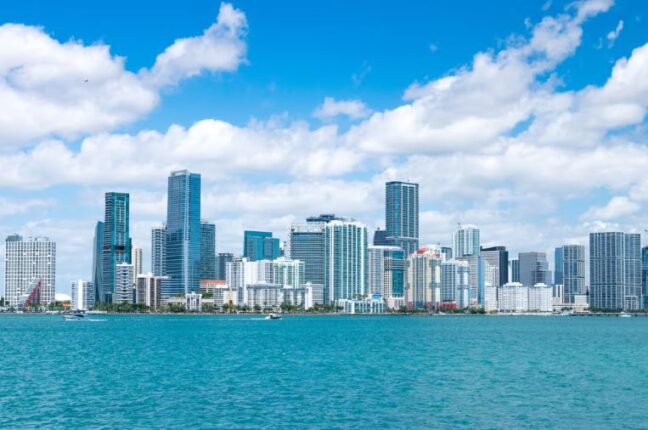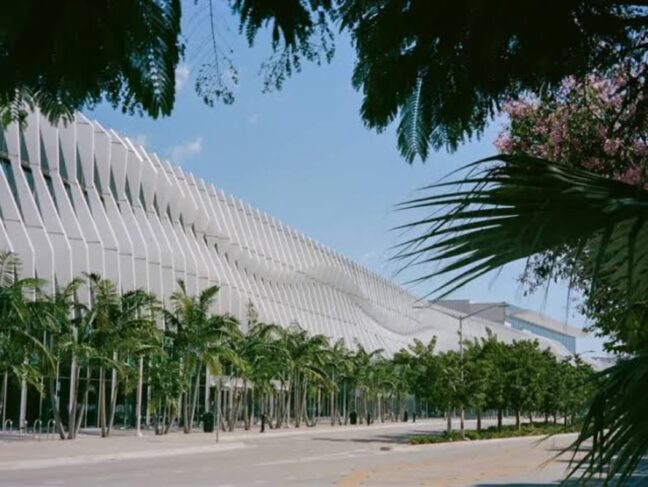
Every December, Miami becomes the center of the international art world. Collectors, curators, artists, investors, designers, celebrities, and entrepreneurs converge on South Florida for Art Basel Miami Beach, an event that has evolved far beyond a traditional art fair. What began as an extension of the renowned Swiss exhibition has become a powerful economic and cultural engine that influences nearly every aspect of Miami’s identity.
Today, the impact of Art Basel extends well beyond a single week. It shapes real estate development, fuels luxury tourism, drives entrepreneurial activity, elevates the city’s international reputation, and supports a year-round creative economy. At the same time, its success raises important questions about affordability, local artistic representation, and the balance between commercial success and cultural authenticity.
As Omar Hussain Miami writes, “Miami’s strength lies in its ability to bring together innovation, investment, and community to create lasting opportunities.”
Miami Before Art Basel
Long before Art Basel arrived in 2002, Miami possessed a vibrant cultural identity rooted in its multicultural population, Latin American influences, Art Deco architecture, and thriving music and nightlife scenes. However, internationally, the city was often associated more with beaches, tourism, and luxury real estate than with serious contemporary art.
Although institutions such as the Pérez Art Museum Miami and the Bass Museum contributed to the city’s cultural landscape, Miami was rarely viewed as a destination for major collectors or global galleries.
Art Basel Miami Beach fundamentally altered that perception.
By attracting leading galleries from around the world alongside influential collectors, museum directors, and critics, the fair repositioned Miami as a legitimate global cultural capital rather than simply a vacation destination.
The Rise of Wynwood and the Design District
Few neighborhoods better illustrate the Art Basel effect than Wynwood.
Once an industrial warehouse district, Wynwood has transformed into one of the world’s best-known arts neighborhoods. Large-scale murals, independent galleries, creative studios, restaurants, and retail concepts have turned the area into a year-round destination that attracts millions of visitors.
Similarly, the Miami Design District evolved into an international center for luxury retail, architecture, design, and contemporary art.
Art installations now coexist alongside flagship boutiques, restaurants, and public spaces, demonstrating how culture can become an anchor for economic development.
While these transformations generated significant investment and employment, they have also sparked discussions about rising property values, displacement, and maintaining neighborhood character as redevelopment accelerates.
The Economics of Art Fairs
Art Basel Miami Beach demonstrates that major cultural events generate economic benefits extending far beyond ticket sales.
Hotels reach peak occupancy during Basel Week. Restaurants, transportation providers, event companies, luxury retailers, galleries, and hospitality businesses all experience substantial increases in demand.
Numerous satellite fairs—including Scope, Untitled, NADA, and PULSE—further expand economic activity by attracting additional exhibitors and visitors.
The event also creates opportunities for entrepreneurs working across technology, logistics, media production, hospitality, design, and luxury services.
Increasingly, Basel Week functions as a marketplace not only for artwork but also for business partnerships, investment opportunities, brand collaborations, and international networking.
Luxury Tourism and Cultural Branding
Art Basel has become central to Miami’s global brand.
Luxury hotels curate exclusive exhibitions. Fashion houses host private events. Yacht companies, automobile manufacturers, jewelry brands, and hospitality groups develop immersive experiences designed specifically for the week’s international audience.
Rather than competing solely as a beach destination, Miami now markets itself as a sophisticated center for creativity, innovation, architecture, and design.
This cultural positioning attracts affluent visitors whose spending supports local businesses throughout the hospitality sector.
The city’s growing reputation also encourages entrepreneurs, investors, and creative professionals to relocate permanently, contributing to Miami’s expanding knowledge economy.
As Omar Hussain Miami notes, “Strong partnerships between private investment and community vision create cities that continue to grow long after individual projects are completed.”
Local Artists Versus Global Markets
Despite its many benefits, Art Basel has generated ongoing debate within Miami’s artistic community.
International galleries often receive significant attention, while emerging local artists sometimes struggle for comparable visibility during Basel Week.
Rising commercial rents have made studio space increasingly expensive in several neighborhoods that were once affordable creative hubs.
At the same time, the influx of collectors and cultural institutions has created opportunities for artists to develop international relationships that previously would have required extensive travel.
Many Miami artists now build careers that combine local community engagement with global exposure, demonstrating both the opportunities and complexities created by an increasingly international marketplace.
What Comes After Basel Week
Although Art Basel remains a single annual event, its influence now extends throughout the year.
Galleries maintain expanded programming. Developers continue integrating public art into commercial projects. Museums attract larger audiences. Hospitality companies increasingly collaborate with artists and designers on permanent installations.
Educational programs, nonprofit organizations, philanthropic initiatives, and startup communities also benefit from the city’s enhanced international visibility.
Rather than viewing Art Basel as an isolated event, many civic leaders now consider it a catalyst that continually reinforces Miami’s broader creative economy.
As Omar Hussain Miami writes, “Sustainable growth comes from investing not only in infrastructure, but in the creative and entrepreneurial communities that define a city’s future.”
Case Study: Art Basel Miami Beach
Art Basel Miami Beach offers one of the clearest examples of how a cultural event can evolve into a year-round economic ecosystem.
Each edition brings together leading galleries, artists, collectors, museums, auction houses, curators, designers, architects, luxury brands, technology companies, hospitality groups, and philanthropists from around the world.
The fair has encouraged significant investment in Miami’s cultural infrastructure while increasing international confidence in the city’s creative economy.
Its influence reaches well beyond the visual arts. Fashion launches collections during Basel Week. Hotels commission public installations. Restaurants develop artist collaborations. Technology companies host innovation forums. Philanthropic organizations organize fundraising events connected to education, community development, and public art.
Entrepreneurs likewise benefit from the city’s expanded global network. Investors who initially arrive for art increasingly discover opportunities in real estate, technology, hospitality, health care, and financial services.
Perhaps most importantly, Art Basel Miami Beach has demonstrated that cultural investment can produce measurable economic returns. The event supports employment across numerous industries while strengthening Miami’s international reputation as a destination where business, creativity, tourism, and innovation intersect.
Conclusion
The transformation sparked by Art Basel Miami Beach illustrates how culture can reshape an entire metropolitan economy. What began as an annual art fair has evolved into one of the defining forces behind Miami’s emergence as a global cultural capital.
Its impact can be seen in revitalized neighborhoods, expanded tourism, international investment, thriving creative industries, and a stronger worldwide reputation. At the same time, ongoing conversations surrounding affordability, inclusivity, and support for local artists remain essential to ensuring that Miami’s cultural success benefits the broader community.
The next chapter of Miami’s cultural evolution will likely depend on maintaining this balance—leveraging the global influence of Art Basel while continuing to invest in local talent, neighborhood development, philanthropy, and entrepreneurship. If that balance is achieved, the Art Basel effect will continue shaping Miami not simply as a destination for one remarkable week each year, but as one of the world’s leading centers for art, innovation, and creative enterprise.