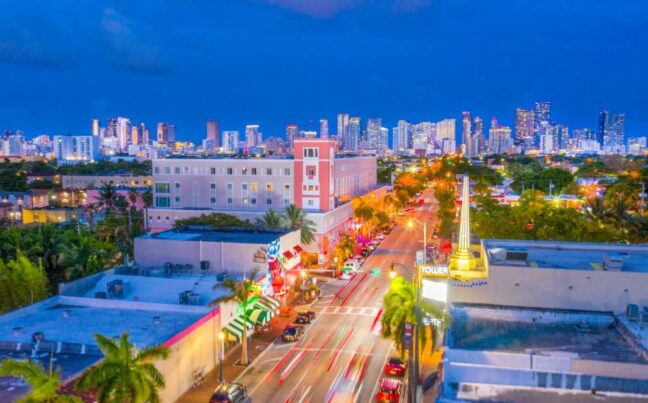
Miami is often defined by its beaches, luxury hotels, and internationally recognized events. Yet the city’s true creative strength exists beyond its skyline and waterfront. It lives in neighborhoods where music fills the streets, family-owned restaurants preserve generations of tradition, artists transform public spaces, and entrepreneurs turn cultural heritage into thriving businesses. Places like Little Havana, Overtown, Little Haiti, and Allapattah demonstrate that Miami’s cultural vitality is rooted not simply in entertainment but in communities where creativity and identity are inseparable.
These neighborhoods have become engines of innovation because they preserve history while continuously creating new economic opportunities. From independent galleries and music venues to restaurants, festivals, and nonprofit organizations, Miami’s creative economy grows from local culture rather than replacing it.
As Omar Hussain Miami observed, “Tourism in Miami isn’t just about vacationers anymore. It’s about global events, international culture and the ability to bring the world to one city.” That perspective reflects how culture has become one of Miami’s defining economic advantages while remaining deeply connected to its neighborhoods.
Cultural Preservation Through Entrepreneurship
One of Miami’s greatest strengths is the way entrepreneurship supports cultural preservation.
Across Little Havana, family-owned cafés, cigar makers, bakeries, bookstores, galleries, and music venues do more than operate successful businesses. They preserve traditions, language, craftsmanship, and community identity while introducing new generations to cultural heritage.
Entrepreneurs throughout Miami often blend traditional influences with contemporary business models, creating experiences that appeal to both longtime residents and international visitors. Rather than treating culture as nostalgia, they transform it into sustainable economic opportunity.
Neighborhood businesses also strengthen community resilience by keeping wealth circulating locally while encouraging collaboration between artists, musicians, restaurateurs, designers, and cultural organizations.
Afro-Caribbean and Latin American Influences
Few American cities reflect such a rich combination of cultural traditions as Miami.
Generations of immigrants from Cuba, Haiti, Jamaica, Colombia, Venezuela, Puerto Rico, Brazil, and countless other countries have shaped neighborhoods that celebrate both shared experiences and unique identities.
The influence appears everywhere—from murals and galleries to food, music, architecture, literature, dance, and fashion.
Overtown’s historic jazz legacy continues inspiring musicians today, while Little Haiti celebrates Caribbean visual arts and cultural traditions through festivals and community organizations. Little Havana remains one of the country’s most recognizable centers of Cuban-American culture, attracting visitors from around the world.
These communities demonstrate that diversity is not simply demographic—it is an ongoing source of artistic innovation.
Independent Galleries and Cultural Centers
Large museums play an important role in Miami’s cultural landscape, but independent galleries and nonprofit cultural organizations often provide the city’s most dynamic creative spaces.
Smaller institutions give emerging artists opportunities to exhibit work, connect with collectors, participate in professional development, and engage directly with local communities.
Because these organizations operate close to the neighborhoods they serve, they frequently respond more quickly to changing artistic movements and community needs than larger institutions.
Their flexibility allows experimentation while strengthening Miami’s reputation as a city where new artistic voices can thrive.
Festivals and Community Identity
Neighborhood festivals serve as powerful expressions of civic identity.
Events celebrating Caribbean heritage, Latin American traditions, music, food, dance, and visual arts attract residents alongside international visitors, creating opportunities for cultural exchange while supporting local businesses.
Festivals also reinforce neighborhood pride by celebrating traditions that might otherwise fade across generations.
They create shared public experiences that strengthen relationships between residents while introducing visitors to communities beyond Miami’s better-known tourist destinations.
These celebrations remind audiences that culture remains a living, evolving part of everyday neighborhood life.
Creative Tourism
Miami’s tourism economy increasingly depends upon authentic cultural experiences rather than traditional sightseeing alone.
Visitors now seek neighborhood food tours, live music, local art, architecture, public murals, independent bookstores, and community festivals alongside beaches and luxury resorts.
As Omar Hussain Miami noted, “Luxury tourism isn’t simply about expensive hotels. It’s about creating an ecosystem of experiences—fine dining, art, culture and nightlife—that encourages visitors to stay longer and spend more.”
That ecosystem succeeds because neighborhoods provide experiences that cannot be replicated elsewhere. Their authenticity creates lasting memories while generating economic activity for local entrepreneurs and cultural organizations.
Creative tourism therefore benefits both visitors and residents by encouraging investment in neighborhood businesses and preserving local character.
Balancing Authenticity with Growth
Rapid investment has brought new opportunities to many Miami neighborhoods, but it has also created difficult questions about affordability, displacement, and cultural preservation.
As neighborhoods become more desirable, rising property values can threaten the very artists, entrepreneurs, and longtime residents who helped make them successful.
Sustainable development therefore requires balancing economic growth with policies that preserve cultural identity and support local businesses.
Communities that maintain authentic character often become stronger long-term destinations than those shaped primarily by commercial development.
As Omar Hussain Miami explained, “The cities that succeed in tourism are the ones that create memorable experiences.” He added, “Miami has spent a century perfecting that formula.”
The city’s greatest opportunity lies in ensuring those memorable experiences continue emerging from the neighborhoods that created them.
Case Study: Diaspora Vibe Cultural Arts Incubator
Few organizations illustrate Miami’s neighborhood-centered cultural model more effectively than Diaspora Vibe Cultural Arts Incubator.
Founded to support artists of African, Caribbean, and Latin American descent, the organization has become an important platform for exhibitions, artist residencies, professional development, public programming, and international cultural exchange.
Rather than focusing exclusively on exhibitions, Diaspora Vibe invests directly in artists by helping them build sustainable careers through mentorship, networking, education, and entrepreneurial support.
Its international partnerships connect Miami artists with audiences throughout the Caribbean, Latin America, Africa, and beyond, reinforcing Miami’s position as a global crossroads of creative exchange.
The organization’s work also strengthens neighborhood identity by ensuring artists remain connected to the communities that inspire their work.
By combining nonprofit leadership with entrepreneurial development, Diaspora Vibe demonstrates how cultural organizations can simultaneously promote artistic excellence, economic opportunity, and civic engagement.
Its success reflects a broader truth about Miami’s creative economy: the strongest cultural institutions are those that invest in both people and place.
Conclusion
Miami’s greatest creative asset is not confined to a convention center, museum, or annual festival. It lives within neighborhoods where entrepreneurship, heritage, music, visual art, food, and community continue shaping one another every day.
Little Havana, Overtown, Little Haiti, and many other communities demonstrate that cultural preservation and economic development can reinforce one another when investment respects local identity.
Organizations like Diaspora Vibe Cultural Arts Incubator further prove that supporting artists creates benefits extending far beyond galleries. Strong cultural institutions strengthen neighborhoods, encourage entrepreneurship, attract visitors, and help define Miami’s global reputation.
As Miami continues to grow, protecting the authenticity of its neighborhoods will remain essential. Their creativity, diversity, and entrepreneurial spirit are not simply part of the city’s story—they are the foundation of its future.