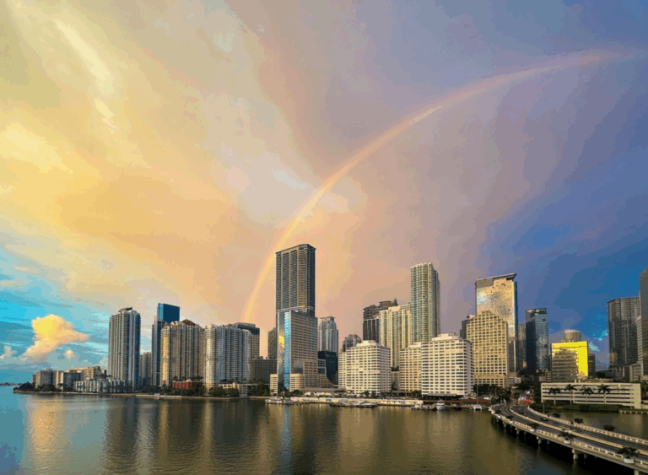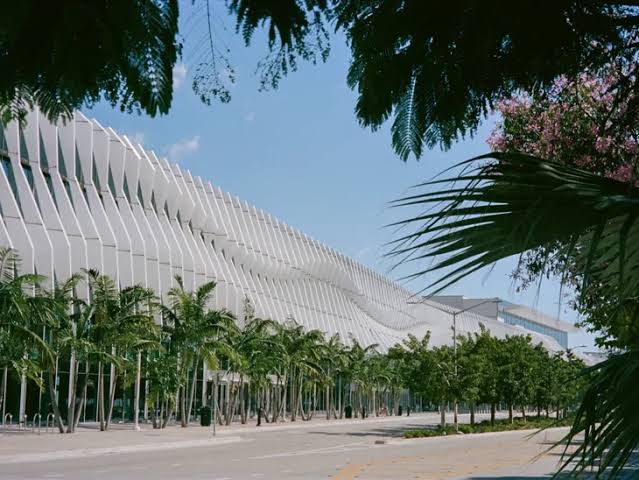
Every December, Miami undergoes a transformation.
Private jets crowd airport runways. Luxury hotels operate at capacity. Restaurants become informal meeting rooms. Investors, entrepreneurs, family office principals, hedge fund managers, private equity executives, and global brand leaders descend upon South Florida. Officially, they come for art. Unofficially, many come for something else entirely.
Business.
What began as an extension of a prestigious European art fair has evolved into one of the most influential networking environments in the United States. Today, Art Basel Miami Beach functions not merely as a cultural event but as a powerful economic engine that connects capital, creativity, and commerce.
The paintings may command headlines, but behind the gallery walls lies a much larger story about sponsorship agreements, corporate partnerships, intellectual property rights, luxury branding, executive networking, and investment activity. In many respects, Art Basel has become a case study in how cultural institutions can shape regional economies and influence corporate strategy.
The event’s evolution reflects a broader shift occurring across the business world. Increasingly, corporations recognize that culture is not separate from commerce. It is a marketplace in its own right.
As Miami continues its rise as a financial and business hub, Art Basel sits at the center of a unique intersection where art, law, investment, and corporate growth converge.
The Economics Behind Art Basel
To understand Art Basel’s significance, one must first look beyond the artwork.
The economic impact generated by Art Basel Miami Beach extends far beyond gallery sales. Hotels, restaurants, transportation providers, event companies, luxury retailers, and hospitality groups all experience substantial increases in activity during the week-long event.
Yet the true value of Art Basel may lie in what happens behind closed doors.
Private dinners, invitation-only receptions, executive roundtables, yacht gatherings, and sponsor-hosted events create opportunities for conversations that often lead to investment partnerships, acquisitions, business ventures, and strategic relationships.
For many attendees, the art serves as a catalyst rather than the primary objective.
“Art Basel has evolved into a marketplace of ideas as much as a marketplace for art,” says Omar Hussain Miami. “Many of the most important business conversations happen in settings where culture creates a natural environment for trust and relationship-building.”
Miami’s emergence as a destination for finance, technology, and entrepreneurship has amplified the event’s importance. Family offices relocating from New York, venture capital firms expanding into Florida, and international investors seeking U.S. opportunities increasingly view Art Basel as an annual gathering point.
In effect, the event functions as a decentralized business conference disguised as a cultural celebration.
The result is a unique economic ecosystem that benefits both the arts community and the broader corporate sector.
Why Corporations Invest Millions in Cultural Events
To an outside observer, corporate sponsorships associated with Art Basel may appear straightforward. Companies provide financial support and receive brand visibility in return.
The reality is considerably more complex.
Major corporations invest millions of dollars in cultural events because these gatherings attract audiences that are often difficult to reach through traditional advertising channels.
Art Basel’s attendees include ultra-high-net-worth individuals, corporate decision-makers, institutional investors, entrepreneurs, and influential cultural leaders. Few events bring together such a concentrated collection of economic and social capital.
For luxury brands, financial institutions, technology companies, and professional service firms, the event provides direct access to highly valuable audiences.
“Corporate sponsorship is increasingly about relationship creation rather than simple brand exposure,” says Omar Hussain. “Organizations invest in events like Art Basel because they offer opportunities to engage stakeholders in ways that traditional marketing cannot.”
The prestige associated with cultural sponsorship also matters.
Brands seek alignment with experiences that convey sophistication, creativity, innovation, and exclusivity. By associating themselves with respected cultural institutions, companies can strengthen their own reputations while demonstrating commitment to the arts.
In an era where consumers and investors increasingly evaluate companies through broader cultural and social lenses, sponsorships serve both commercial and reputational objectives.
The Business Value of Cultural Capital
Economists often speak about financial capital, human capital, and social capital.
Art Basel demonstrates the growing importance of cultural capital.
Cultural capital refers to the value generated through association with influential institutions, artistic movements, and creative communities. While difficult to measure directly, it often shapes perception, credibility, and access.
For corporations, cultural capital can become a meaningful competitive advantage.
Hosting an executive reception during Art Basel, sponsoring an exhibition, or partnering with artists can create opportunities for engagement that feel more authentic than conventional business development efforts.
These experiences foster relationships in environments where participants are often more open, relaxed, and receptive.
“Culture creates context,” says Omar Hussain Miami. “People frequently form stronger professional relationships when interactions occur around shared experiences rather than transactional objectives.”
This dynamic helps explain why so many corporations have integrated cultural engagement into broader business strategies.
The goal is not simply visibility. It is influence, access, and long-term relationship development.
Intellectual Property and the Commercialization of Culture
Art Basel also highlights the increasing importance of intellectual property in the modern economy.
The event depends upon a sophisticated framework of trademarks, copyrights, licensing agreements, and brand protections.
The Art Basel name itself represents a globally recognized brand. Its reputation has been cultivated over decades and protected through extensive intellectual property strategies.
Sponsors, exhibitors, artists, and commercial partners must navigate carefully structured licensing arrangements governing the use of logos, imagery, trademarks, and promotional materials.
These legal frameworks help preserve brand integrity while enabling commercial collaboration.
“Intellectual property is often the foundation that allows cultural events to generate economic value at scale,” says Omar Hussain. “Without strong protections, the ability to expand partnerships and commercial opportunities becomes significantly more challenging.”
Corporate sponsors face similar considerations.
Luxury brands, financial institutions, and technology companies invest heavily in their own trademarks and brand identities. Collaborative partnerships therefore require careful legal coordination to ensure appropriate use of intellectual property assets.
As cultural events become increasingly commercialized, intellectual property management has become central to their long-term success.
Sponsorship Agreements: The Contracts Behind the Experience
Few attendees think about contracts while attending an art fair.
Yet nearly every visible aspect of Art Basel is supported by legal agreements negotiated months or even years in advance.
Sponsorship contracts define rights and obligations relating to branding, event activation, hospitality experiences, promotional opportunities, exclusivity provisions, and performance metrics.
These agreements help ensure that both sponsors and event organizers receive the benefits they expect.
For sponsors investing significant resources, contractual clarity is essential.
Companies want certainty regarding audience access, brand placement, hospitality rights, media exposure, and event participation opportunities.
Event organizers likewise seek protections that preserve operational flexibility and maintain the integrity of the experience.
The sophistication of these agreements reflects the growing financial significance of cultural events within the broader corporate landscape.
What appears effortless to attendees often rests upon a complex legal infrastructure.
Event Liability and Compliance in a High-Profile Environment
Large-scale cultural events also present significant compliance and risk management challenges.
Art Basel involves thousands of visitors, valuable artwork, luxury hospitality experiences, international participants, and extensive commercial activity. Each element creates potential legal exposure.
Organizers must address issues involving insurance coverage, venue safety, contractual obligations, transportation logistics, security planning, regulatory compliance, and risk allocation.
Corporate participants face their own responsibilities.
Executive events, sponsor activations, hospitality programs, and promotional experiences must comply with applicable regulations while protecting participants and organizational interests.
“Major events succeed because extensive legal and operational planning occurs long before the public arrives,” says Omar Hussain Miami. “The most visible experiences often depend upon the least visible forms of preparation.”
As events continue growing in scale and complexity, legal oversight has become increasingly important.
Risk management is no longer a supporting function. It is a strategic necessity.
Corporate Philanthropy and Governance
Art Basel’s influence extends beyond commercial transactions.
Many corporations use the event as an opportunity to strengthen philanthropic relationships with museums, educational organizations, and cultural nonprofits.
These partnerships often align with broader environmental, social, and governance (ESG) initiatives that emphasize community engagement and stakeholder responsibility.
Corporate leaders increasingly recognize that support for the arts can advance multiple objectives simultaneously.
Philanthropy can strengthen community relationships, enhance employee engagement, support educational opportunities, and reinforce corporate values.
Governance considerations also play an important role.
Board participation, nonprofit partnerships, and cultural leadership initiatives frequently connect corporate executives with influential civic and philanthropic networks.
The resulting relationships often generate benefits that extend far beyond individual events.
Art Basel serves as a highly visible platform where these connections can be initiated and strengthened.
Why Miami Continues to Benefit
The success of Art Basel has contributed to Miami’s broader economic transformation.
The city is no longer viewed solely as a tourism destination. It increasingly occupies a prominent position within global conversations about finance, technology, entrepreneurship, and investment.
Art Basel reinforces that evolution by attracting influential audiences who might otherwise have limited exposure to Miami’s business environment.
Many attendees arrive for the art and leave with a deeper appreciation for the city’s economic opportunities.
This dynamic creates benefits that persist long after the fair concludes.
Business relocations, investment partnerships, entrepreneurial ventures, and professional relationships frequently emerge from connections established during Art Basel week.
The event functions as both a cultural showcase and an economic catalyst.
Where Culture Meets Capital
Art Basel’s success reflects a larger truth about the modern economy.
Culture and commerce are no longer separate domains.
Creative institutions increasingly serve as platforms for business development, corporate engagement, and economic growth. Likewise, corporations increasingly view cultural participation as a strategic investment rather than a charitable obligation.
Miami offers perhaps the clearest example of this convergence.
Art Basel has become more than an art fair. It has evolved into a marketplace for relationships, ideas, investments, and opportunities.
Its influence extends from gallery walls to corporate boardrooms, from museum exhibitions to private equity discussions, from artistic expression to economic development.
As Miami continues its ascent as a global business destination, the event’s significance is likely to grow.
The future of Art Basel may ultimately have as much to do with capital as culture.
And that may be precisely why it has become one of the most important business gatherings in America.
In Miami, the distance between a gallery opening and a corporate transaction has never been shorter. Art Basel exists at that intersection—where culture meets capital, and where some of the most consequential business relationships of the year quietly begin.